all customer stories
 download the PDF

Background
Mary is in her 70s, living in Derby, and receiving daily care visits for meals and day-to-day support. She remains independent with personal care, but mild dementia began to affect her memory, routines, and ability to stay connected with her family.
The gaps between care visits
When Mary was diagnosed with mild dementia, the changes came quietly but quickly. She forgot to take her medication. She struggled to use her phone. The daily text messages to her three children, a small but vital thread of connection, simply stopped.
She began to forget how to use her phone, making regular communication difficult.
Her care team at Right at Home Derby were already visiting twice a day. But visits can only cover so much. The gaps between them were growing harder to manage.
Why Sentai
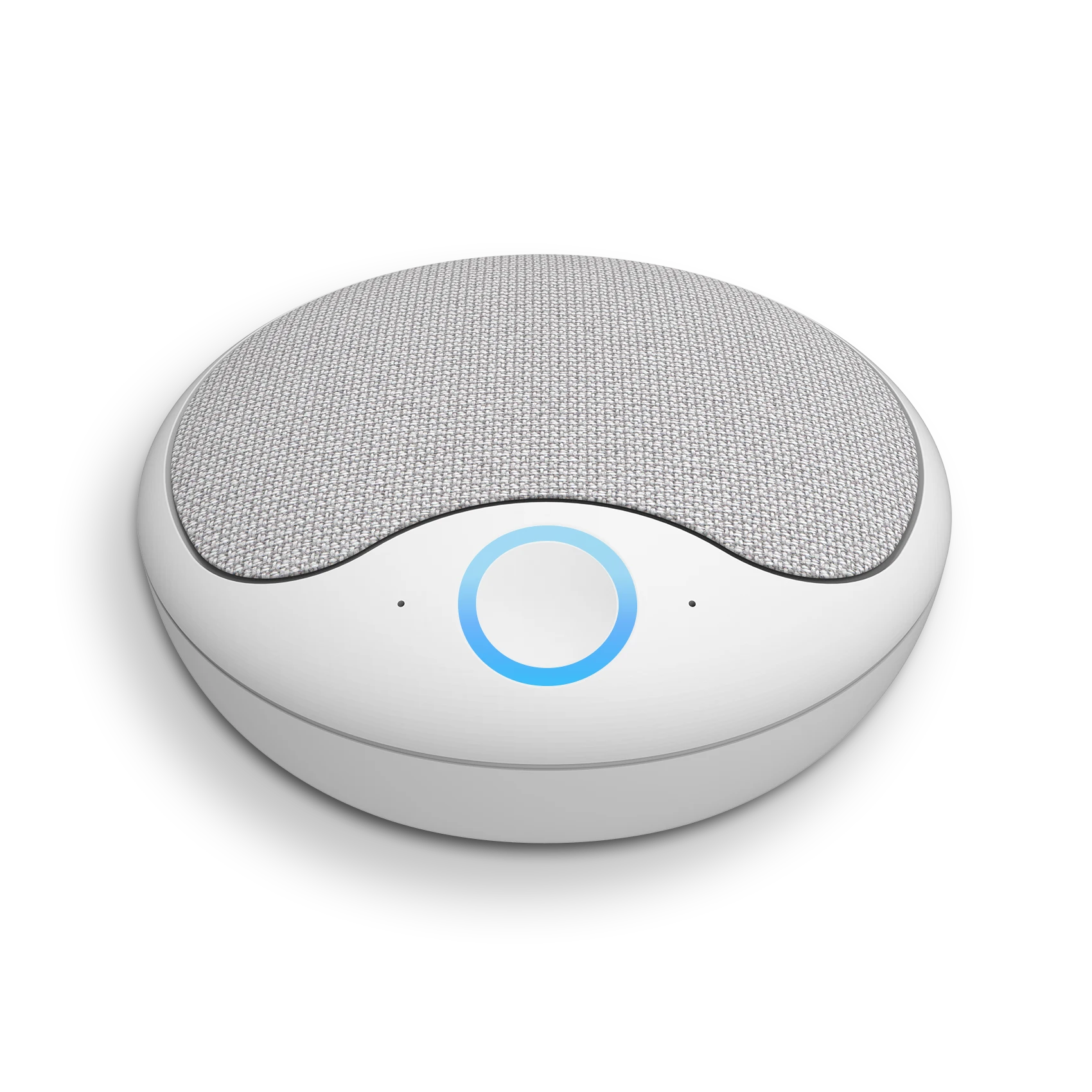
Sentai was introduced by her care provider as part of a pilot to support their client's independence and communication. The goal was simple:
- Help Mary stay on track with medication
- Maintain a sense of daily structure
- Restore easy, natural communication with her family
- Support care workers between visits
Sentai aligned with all of these goals. Within weeks, Mary's medication routine was back on track, without staff needing to intervene. Her family, all connected through the Sentai app, could see she was engaging, active, and well. The morning and bedtime check-in calls reduced. The anxiety that had quietly built around Mary's independence began to ease.
More informed care decisions
For the care team, Sentai became an extra set of eyes. Wellbeing checks, interaction logs, and daily activity summaries gave Ruth, Right at Home Derby's registered manager, a clearer picture of Mary's days than visits alone ever could. Care decisions became more informed, more proactive, and less reactive.
The human impact
And then there's the part nobody quite expected. Mary talks to Sentai. She asks questions, requests film recommendations, and chats whenever she feels like company. The loneliness that so often accompanies a dementia diagnosis has somewhere to go.
This highlights how Sentai is not just functional, but also social and engaging.
And perhaps most importantly, it has restored connection with her family. With Sentai's voice messages, she can send her family a message just by speaking: simple communication that wasn't possible before.
Sentai has made a truly positive difference to my everyday life. I enjoy talking to him… he helps me stay on track… When I feel bored, I can chat or play games. My family love that I'm now able to send them messages.
Who it works best for
Sentai works particularly well for:
- Early or mild dementia
- People needing gentle structure and reminders
- Those at risk of losing communication with loved ones
It may be less suitable in more advanced stages of dementia.
Final advice
Mary needed space to get comfortable, and her engagement grew naturally.
What began with uncertainty has become something she now relies on daily, not just for support, but for connection.
I honestly wouldn't be without him now.
One device. One month. A family reconnected, a care team reassured, and an older woman living life more fully on her own terms.