all customer stories
 download the PDF

Overview
This case study outlines the use of Sentai to support an adult living with a brain injury who has fluctuating needs. It demonstrates improved daily outcomes, reduced reliance on staff prompts, and measurable opportunities for cost avoidance.
The challenge
Prior to Sentai, the individual required frequent in-person prompting for:
- Waking routines
- Household tasks
- Personal hygiene
This resulted in a number of challenges for both the individual and the care setting, such as:
- Repeated staff interventions
- Inefficient use of commissioned hours
- Limited development of independent living skills
- Inconsistent outcomes depending on staff availability and resource
There was also limited objective data available to support care plan reviews and measure any real-time outcomes.
The rationale for introducing Sentai
The provider introduced Sentai to:
- Encourage independence without increasing risk
- Reduce avoidable staff prompts and resource time
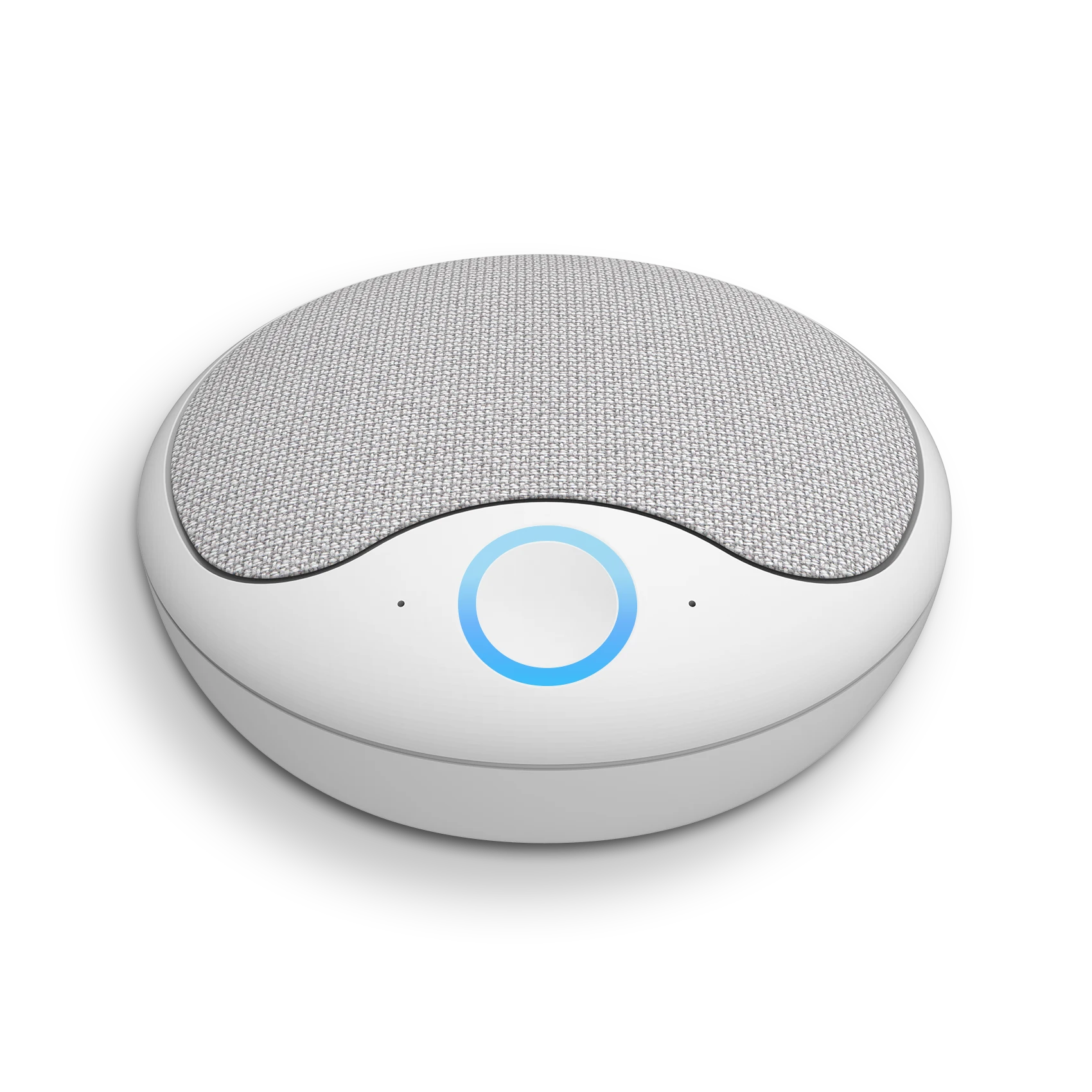
- Offer consistent, 24/7 digital support for the user
- Provide regular, non-judgemental reminders
- Collect honest, real-time data to support care planning
Sentai was viewed as a complement to commissioned care, not a replacement, particularly valuable in a context of budgetary pressure and workforce constraints.
How Sentai was introduced
- Gradual introduction of reminders such as morning routines (waking, cleaning, personal care)
- Ongoing adjustment based on user engagement
- Training and support provided to care staff
- Integration into existing care planning processes
Over time, reminders were refined and expanded based on the user's responses and preferences. Staff received training and ongoing support from the Sentai team to customise and optimise the setup.
I like that Sentai reminds me without staff having to knock on my door. It makes me feel more independent.
Outcomes and results
- The individual now completes morning routines independently on most days
- Improved consistency in personal hygiene and household cleanliness
- Reduced reliance on staff door-knocking and verbal prompting
- Increased independence
- Increased confidence and autonomy
Value and results for the care setting and staff
Based on provider feedback and observed changes:
- Reduction in staff interventions
- Morning prompts reduced by approximately 60–80%
- Estimated 15–30 minutes of staff time saved per day
- 7–10 hours of staff time released per month (per individual)
This equates to an estimated £150–£300 per month in potential cost avoidance, based on typical commissioned care rates.
Importantly, Sentai provides continuous 24/7 support, helping to maintain outcomes even where physical care hours are reduced.
The introduction of technology integrated into a combined care plan has improved quality and consistency of support for the individual. Some of these benefits have included:
- Voice-enabled digital prompts provided consistent, non-judgemental encouragement
- Habits reinforced over time, even on lower-engagement days
- Staff time redirected toward meaningful, value-adding support
Data to support future decision making and planning
Sentai provides structured interaction data that:
- Supports outcome-focused reviews
- Helps identify patterns in engagement and wellbeing
- Improves transparency and accountability in care delivery
Data complements professional judgement and reduces reliance on anecdotal reporting.
What the provider reported
The provider reported very positive results after Sentai was in place:
- Staff workload reduced without compromising safety
- Improved confidence in promoting independence
- Positive engagement from the individual
- Strong implementation and ongoing support from the Sentai team
Hayley is brutally honest with Sentai, which gives us true insight. The data is incredibly helpful – and sometimes gives us a laugh.
Why this matters for local authorities and commissioners
Sentai directly supports:
- Technology enabled care (TEC) and digital innovation in social care
- Evidence-based care planning
- Prevention and early intervention
- Maximising independence
- More efficient use of commissioned hours
Conclusion
This case study demonstrates how Sentai can deliver measurable improvements in independence for the individual whilst supporting skill development and growth through routine management, while also supporting cost control and workforce efficiency.
Used appropriately, Sentai offers local authorities and supported living providers a scalable, low-risk digital intervention that complements commissioned care, supports cost control through staff efficiencies, and helps maintain outcomes in an increasingly pressured system.