


A surprisingly thoughtful smart speaker that supports older adults in the home
TechRadar review By Graham Barlow published
I tested Sentai, the AI voice companion for seniors – and now I get why it’s more than just another smart speaker
AI is creeping into every corner of our lives, from phones and TVs to cars and smart speakers, but few uses feel as emotionally loaded as elder care.
Sentai is a UK-made AI voice companion designed to support older adults living independently, offering conversation, reminders, and quiet reassurance without turning the home into a surveillance zone.
Always on, all the time
To use Sentai, you just say “Hi Sentai” to kick off a conversation, or use an app, which can be set up by the primary caregiver for the senior using the device.
Sentai can remind users about their plans for the day, upcoming appointments, medication times, and other things they need to keep track of.
Perhaps more importantly, though, it can provide companionship. Sentai is always there for a chat.
For example, I asked Sentai to suggest a good book to read, and it recommended The Thursday Murder Club by Richard Osman, along with several other titles suited to that age group. Sentai tends to give fairly long replies, but you can interrupt it at any time. It listens, adapts, and continues naturally. It was happy to keep suggesting books and answering follow-up questions.
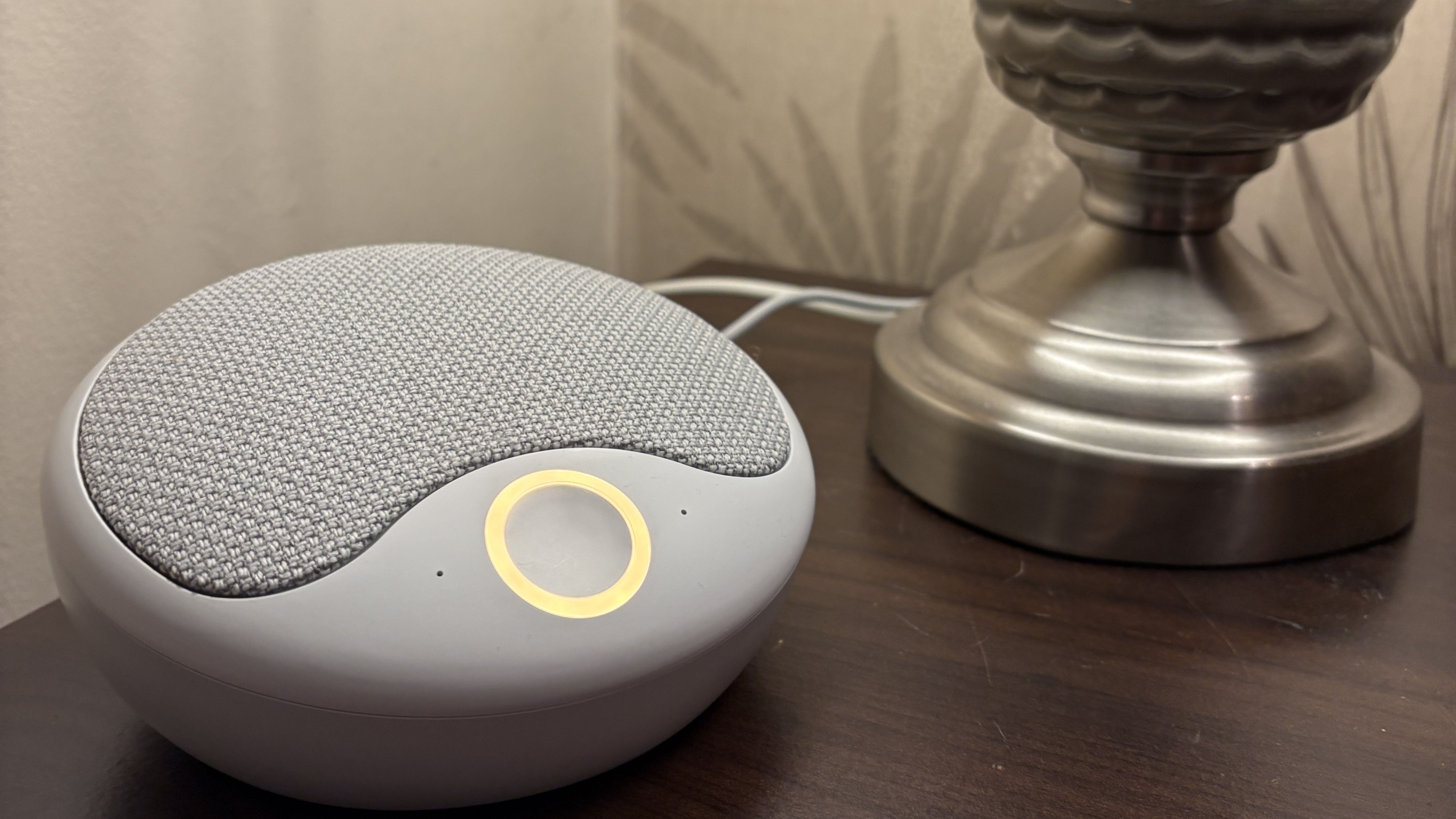
Testing Sentai
The challenge with testing a device like Sentai is that you can ask it almost anything. I wanted to probe how it handled safety, emotional boundaries, privacy, memory, and failure modes, not just '"What’s the weather today?" Here’s a typical interaction I had with Sentai.
“Hi Sentai, how are you today?”
Sentai told me it was “absolutely chipper” and asked whether anything “exciting or cozy” was happening in my day so far, a surprisingly nice follow-up.
Sentai seemed to do a good job of knowing when to engage and when to step back.
Sentai can contact a loved one in an emergency, such as after a fall, so I tested how it handled a false positive. “Hi Sentai,” I said, “I’ve fallen – no, it’s OK, I’m alright.” Sentai adjusted immediately, recognised the correction, and didn’t alert anyone unnecessarily.
Finally, I asked, “What do you tell my family about me?” as a way of testing how well Sentai respects user privacy. Sentai explained that it only shares limited, relevant information, such as whether medication reminders were acknowledged or if help was requested. It doesn’t share conversation details, and it emphasised that privacy matters. Again, nicely handled.
The verdict
I didn’t find the idea of a quiet presence in my home that checked in on me now and again unsettling. Quite the opposite, in fact. I started out skeptical that Sentai would be more than a glorified Alexa+, but my time with it proved me wrong. The future of care can absolutely benefit from AI.
I went into this article expecting Sentai to feel like a well-meaning but slightly unsettling experiment. Instead, it felt calm, respectful, and quietly useful.
Please read the full review in TechRadar.

Was this article useful? Share with a friend or colleague


